Chronic fatigue is more than simply feeling tired. For many people, it is a persistent and overwhelming lack of energy that affects daily life, work, and overall wellbeing. Even with adequate rest, improved nutrition, and lifestyle changes, fatigue can continue to linger, leaving individuals searching for additional ways to support recovery.
One therapy that is gaining increasing attention in both medical and wellness settings is Hyperbaric Oxygen Therapy (HBOT). By improving oxygen delivery at a cellular level, (HBOT) may help address several underlying factors associated with chronic fatigue, including inflammation, poor circulation, mitochondrial dysfunction, and impaired tissue repair.
This article explores chronic fatigue, its possible causes, and how (HBOT) may play a supportive role in improving energy, resilience, and long-term health.
Understanding Chronic Fatigue
Chronic fatigue is characterised by ongoing physical and mental exhaustion that does not significantly improve with rest. It may occur on its own or alongside other health conditions. In some cases, it may be diagnosed as Chronic Fatigue Syndrome (CFS), also known as myalgic encephalomyelitis (ME).
Common symptoms of chronic fatigue include:
- Persistent low energy
- Brain fog and reduced concentration
- Muscle weakness or generalised aches
- Poor sleep quality
- Reduced tolerance to physical or mental exertion
- Prolonged recovery after activity
While the causes of chronic fatigue vary, it is often linked to chronic inflammation, immune system dysregulation, impaired oxygen utilisation, hormonal imbalance, or mitochondrial inefficiency.
The Importance of Oxygen in Energy Production
Oxygen plays a vital role in energy production. Inside the body’s cells, mitochondria rely on oxygen to produce adenosine triphosphate (ATP), which is the primary source of cellular energy.
In people experiencing chronic fatigue, research frequently points to:
- Reduced oxygen delivery to tissues
- Poor circulation
- Increased oxidative stress
- Impaired mitochondrial function
These factors can significantly limit the body’s ability to produce and sustain energy, making oxygen-based therapies such as Hyperbaric Oxygen Therapy (HBOT) particularly relevant.
What Is Hyperbaric Oxygen Therapy (HBOT)?
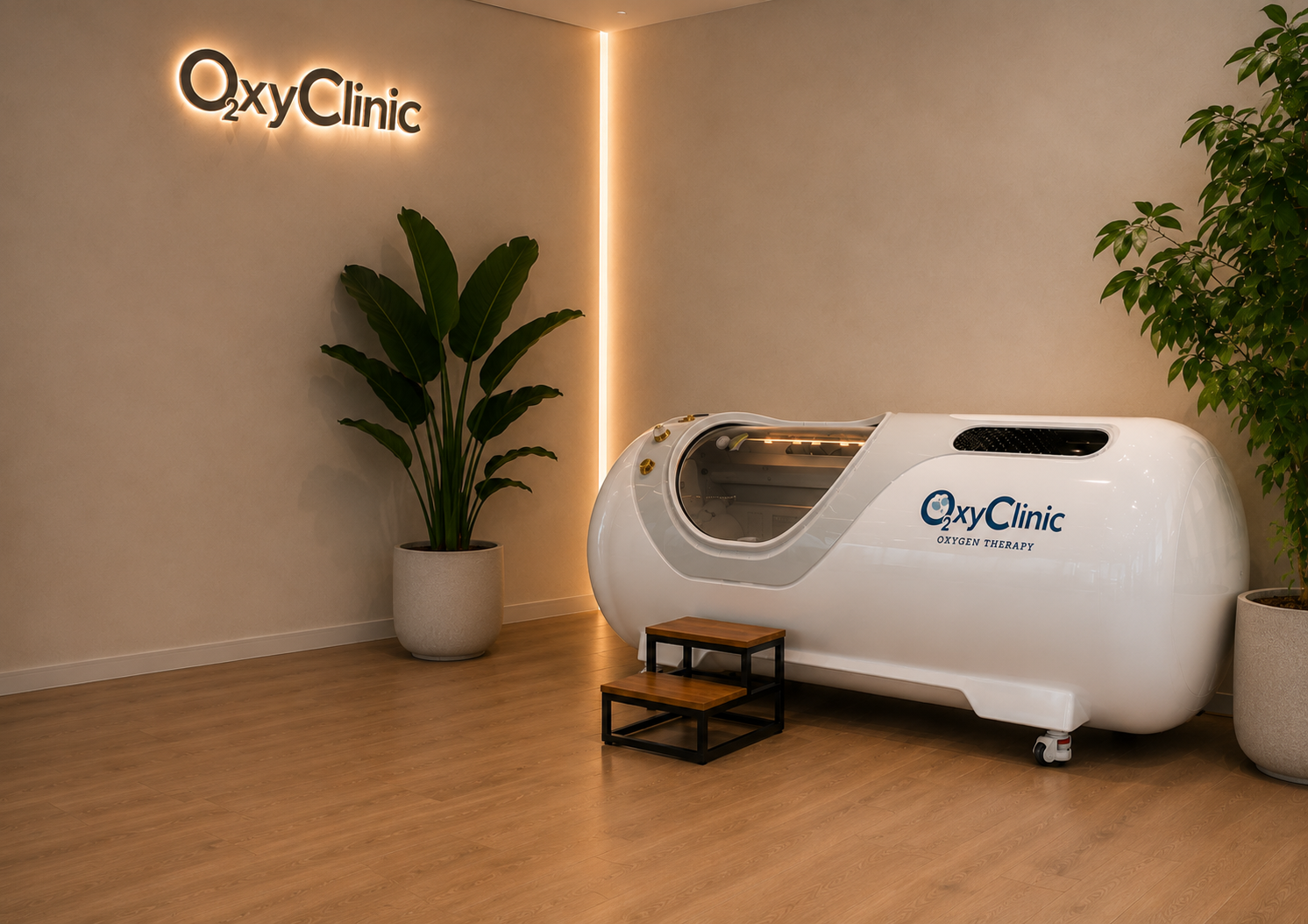
Hyperbaric Oxygen Therapy (HBOT) is a non-invasive treatment in which an individual breathes 93-95% pure oxygen inside a pressurised chamber. The pressure is higher than normal atmospheric levels, allowing oxygen to dissolve directly into the bloodstream and surrounding bodily fluids.
This process significantly increases the amount of oxygen available to tissues, including areas with reduced blood flow. For individuals with chronic fatigue, this enhanced oxygen delivery may help support cellular energy production, reduce inflammation, and improve overall physiological function.
How (HBOT) May Support Chronic Fatigue
Supporting Mitochondrial Health
One of the key ways (HBOT) may help individuals with chronic fatigue is by supporting mitochondrial function. Increased oxygen availability allows mitochondria to operate more efficiently, potentially improving ATP production.
By supporting cellular respiration, (HBOT) may help address one of the underlying contributors to persistent fatigue.
Reducing Chronic Inflammation
Low-grade, ongoing inflammation is commonly associated with fatigue-related conditions. (HBOT) has been shown to reduce inflammatory markers and improve oxygen delivery to inflamed tissues.
Reduced inflammation may lead to:
- Less muscle discomfort
- Improved mental clarity
- Better tolerance to physical and cognitive activity
This is particularly important for individuals who experience worsening symptoms after exertion.
Improving Circulation and Oxygen Delivery
Poor circulation can limit the delivery of oxygen and nutrients throughout the body. (HBOT) encourages angiogenesis, the formation of new blood vessels, which can improve long-term circulation.
Improved circulation supports:
- Increased stamina
- Reduced feelings of heaviness or weakness
- Enhanced overall vitality
Cognitive and Neurological Support
Brain fog is one of the most commonly reported and frustrating symptoms of chronic fatigue. (HBOT) increases oxygen availability to the brain, which may help support cognitive performance, focus, and mental endurance.
Emerging research into (HBOT) suggests potential benefits related to neuroplasticity and improved metabolic activity within brain tissue.
Supporting Immune Function
Immune system dysfunction is frequently observed in individuals with chronic fatigue. Oxygen is essential for optimal immune cell activity, and (HBOT) enhances the ability of white blood cells to function effectively.
This immune-supportive effect may help reduce the physiological burden that contributes to ongoing fatigue.
Wellness Benefits of (HBOT) for Fatigue Management
In addition to clinical applications, (HBOT) is increasingly used within wellness and integrative health settings to support energy levels, recovery, and resilience.
(HBOT) for Energy and Day-to-Day Vitality
Many people report improvements in energy, mental clarity, and overall wellbeing following a course of (HBOT) sessions. While individual responses vary, improved oxygen utilisation and reduced inflammation may contribute to more stable energy throughout the day.
(HBOT) for Recovery and Stress Resilience
Chronic fatigue often involves extended recovery times after even mild exertion. (HBOT) supports tissue repair and recovery, which may help shorten recovery periods and improve tolerance to physical and mental stress.
What to Expect During an (HBOT) Session
A typical (HBOT) session lasts between 60 and 90 minutes. During treatment, individuals relax inside the chamber while breathing pure oxygen. The experience is painless, although mild ear pressure may occur during pressurisation, similar to flying.
Most fatigue-support protocols involve multiple sessions over several weeks, depending on individual needs and clinical guidance.
Is (HBOT) Safe for People With Chronic Fatigue?
When delivered by trained professionals, (HBOT) is generally considered safe and well tolerated. Side effects are usually mild and temporary. As with any therapy, individuals with chronic fatigue should consult a qualified healthcare professional to determine whether (HBOT) is appropriate for their specific health circumstances.
Final Thoughts: Chronic Fatigue and (HBOT)
Chronic fatigue is a complex condition that often requires a multifaceted and individualised approach. While (HBOT) is not a cure, it may offer meaningful support by addressing oxygen delivery, inflammation, circulation, and cellular energy production.
For those seeking integrative and supportive strategies to manage persistent fatigue, Hyperbaric Oxygen Therapy (HBOT) may be a valuable addition alongside medical care, nutrition, and lifestyle interventions.
As research continues to develop, (HBOT) is increasingly recognised as a supportive therapy in both medical management and wellness-focused care for chronic fatigue.
For more information on how you can benefit from HBOT, or to book a taster session, get in touch with our expert team here at Oxyclinic